Cherries · 2027 season
Montmorency Cherry Tree
Prunus cerasus
Self-fertileThe standard tart pie cherry. Self-fertile.
- #7 container
- About 1.25" caliper
Pick up in Pittsgrove, NJ, typically in March. Pay cash, check, Venmo or PayPal at pickup.
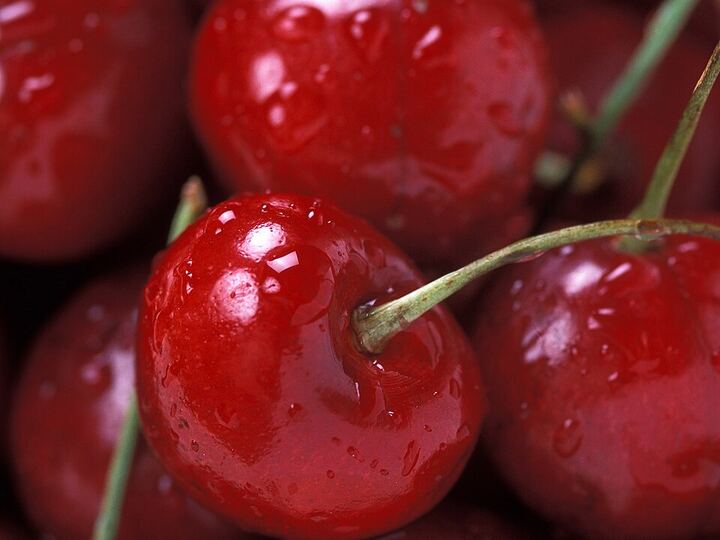
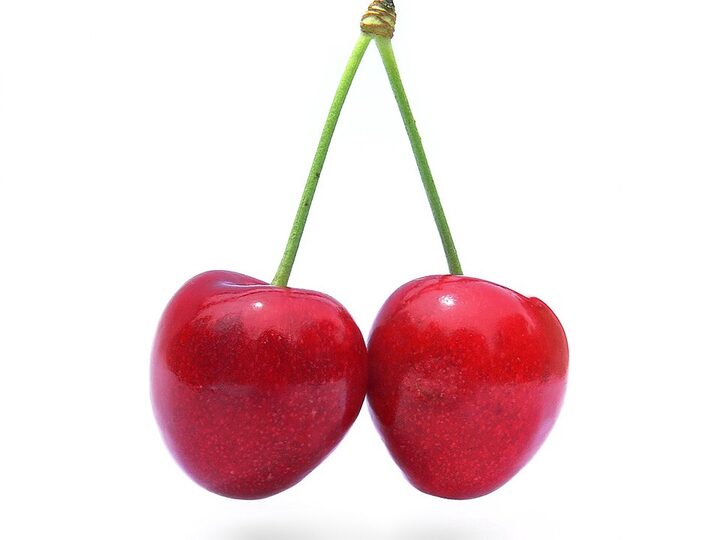
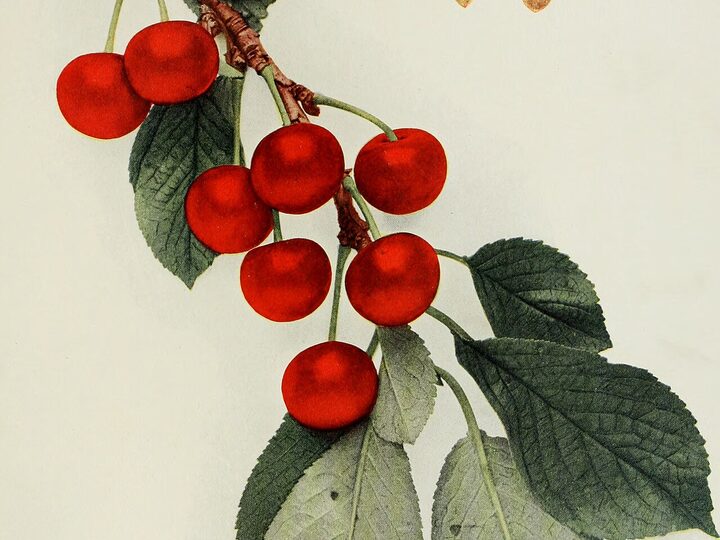
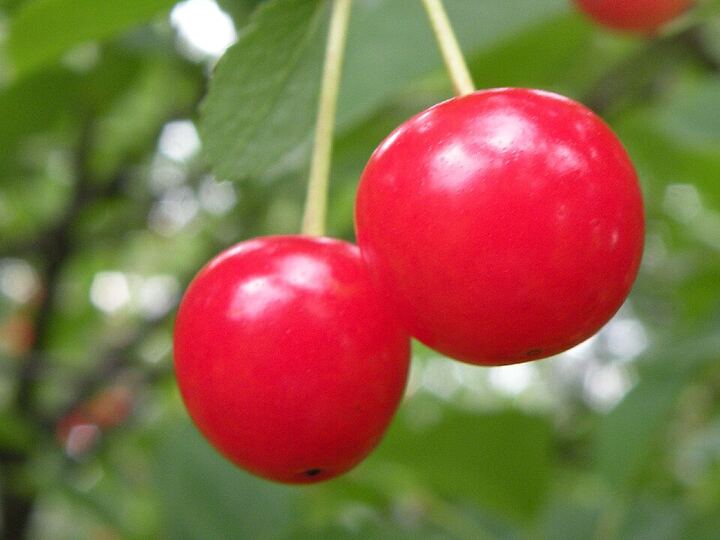
Montmorency is the standard tart cherry, the one most cherry pies in America are made with. The fruit is bright red with clear, tangy juice.
It's hardy, productive and less fussy than sweet cherries. It's also much less prone to splitting in rain.
Pick when fully red and the cherries pull easily off the stem. Freeze or can the extras.
Montmorency is named for the Montmorency valley in France, where it was grown in the 1600s, and it's still the main tart cherry grown in the United States.
How it tastes
Bright, tangy and sour. Too tart for most people to eat by the handful, but it's the flavor that makes a classic cherry pie.
At a glance
- You get
- #7 container, about 1.25" caliper (trunk thickness 6 inches above the soil; each tree varies a little)
- Hardiness zones
- USDA 4–8 (Salem County is 7)
- Blooms
- Mid spring
- Ripens
- Late June to early July
- Starts bearing
- Usually 3–5 years after planting
- Mature size
- Small to medium; about 12–20 ft
- Pollination
- Self-fertile
- Botanical name
- Prunus cerasus
- Price
- $88 each, paid at pickup
- Pickup
- Pittsgrove, NJ, typically in March
The fruit
- Looks
- Medium, bright red skin, clear yellow flesh and juice
- Flavor
- Tart
- Best for
- Pies, Canning, Freezing, Juice, Drying
- Keeps
- A few days fresh; freeze or can the rest
Pollination
Self-fertile. Tart cherries fruit on their own, so one tree is enough.
Growing tips
Watch for: Very susceptible to cherry leaf spot, which can strip the leaves by midsummer if not controlled; also brown rot
- Full sun and very good drainage. Cherries hate wet feet more than most fruit trees.
- Birds love cherries. Plan on netting the tree as the fruit starts to color.
- Water during dry spells, but steadily: a heavy soaking right before harvest can split ripe sweet cherries.
- Prune lightly in late winter or right after harvest.
Spray schedule: Cherry Spray Schedule for New Jersey Home Orchards (Rutgers Cooperative Extension, fact sheet FS115)
New to planting fruit trees? Read our step-by-step planting guide: square hole, graft above the soil, native soil, and no fruit for the first two years.
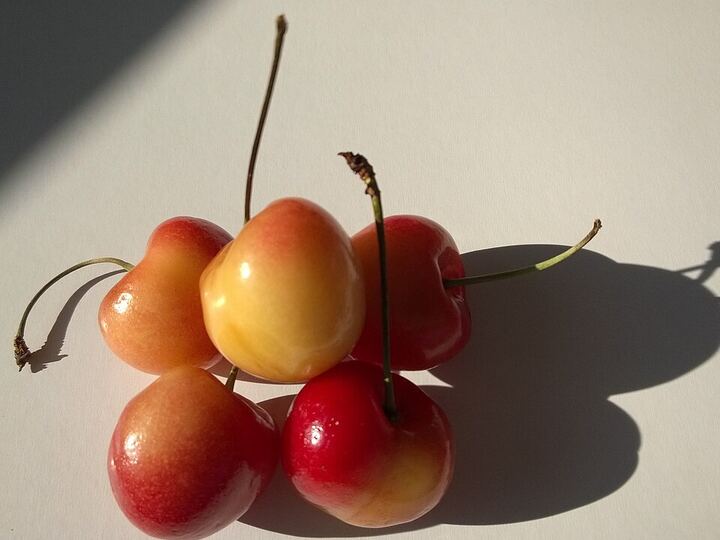
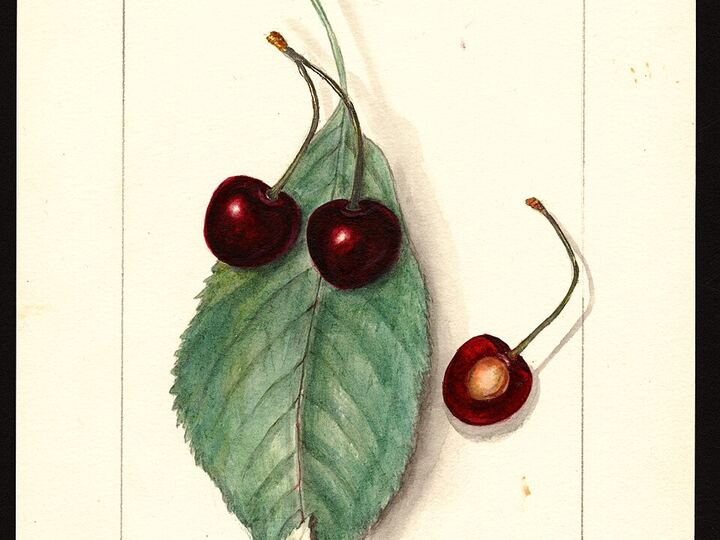
Photos show the variety, not the exact plant you’ll get. Reservations are for the 2027 season, picked up at our farm in Pittsgrove, NJ, typically in March, and aren’t guaranteed until we confirm them. Questions? Ask us or call or text (856) 345‑4538.