Cherries · 2027 season
Black Tartarian Cherry Tree
Prunus avium
Needs a partnerEarly, very sweet dark cherry. A good pollinator for Bing and Rainier.
- #7 container
- About 1.25" caliper
Pick up in Pittsgrove, NJ, typically in March. Pay cash, check, Venmo or PayPal at pickup.
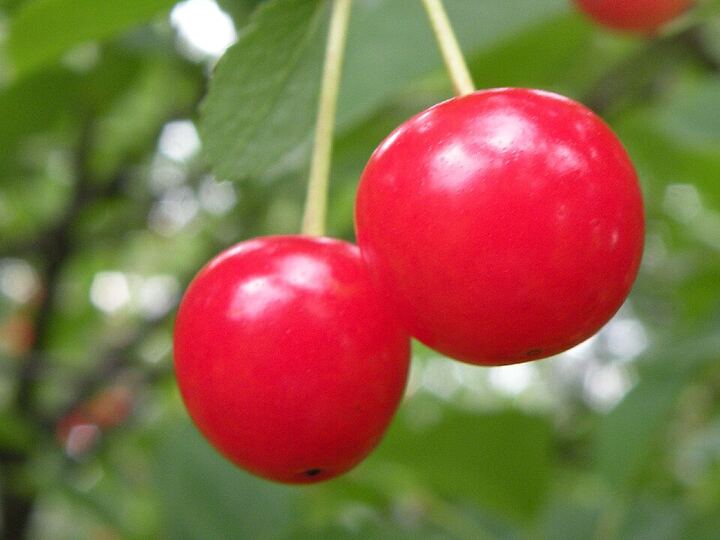
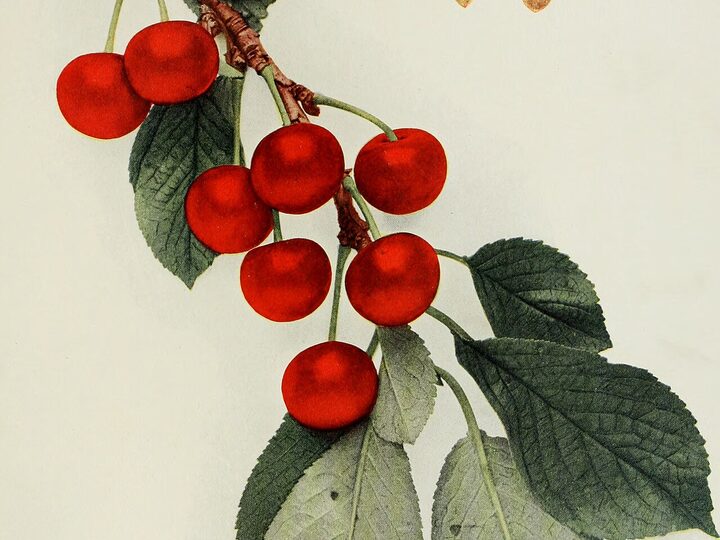
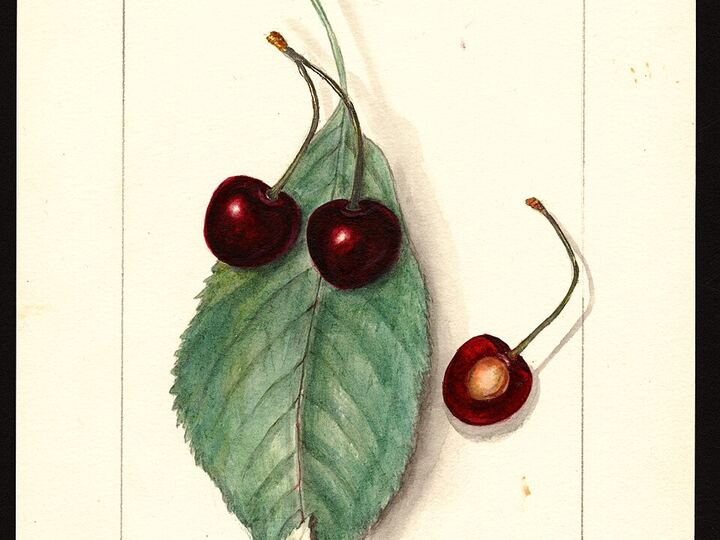
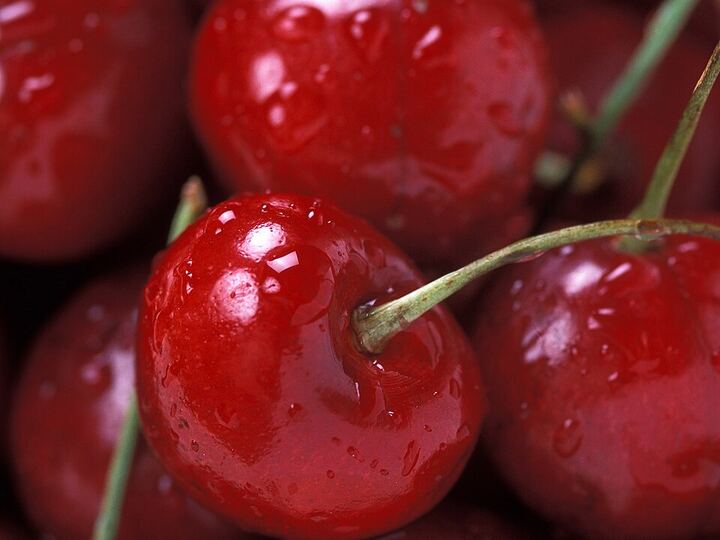
Black Tartarian is an old variety, grown since the late 1700s, and one of the earliest sweet cherries to ripen. The fruit is purple-black, soft, juicy and very sweet.
It's prized as a pollinator. It pollinates almost every other sweet cherry, which makes it the perfect partner for a Bing or Rainier.
The soft fruit is best eaten fresh, right off the tree.
Black Tartarian came from Russia, reached England in 1794, and was brought to America in the early 1800s by William Prince of Flushing, New York.
How it tastes
Very sweet and rich, soft and juicy. Best eaten fresh, right off the tree.
At a glance
- You get
- #7 container, about 1.25" caliper (trunk thickness 6 inches above the soil; each tree varies a little)
- Hardiness zones
- USDA 5–8 (Salem County is 7)
- Blooms
- Early to mid season
- Ripens
- Early to mid June
- Starts bearing
- Usually 3–5 years after planting
- Mature size
- A full-size tree; 20 ft or more unless kept pruned
- Pollination
- Needs a partner
- Botanical name
- Prunus avium
- Price
- $88 each, paid at pickup
- Pickup
- Pittsgrove, NJ, typically in March
The fruit
- Looks
- Small to medium, purple-black, soft and juicy
- Flavor
- Very sweet and rich
- Best for
- Fresh
- Keeps
- Short. The soft fruit is best eaten within a few days
Pollination
Needs a second sweet cherry to pollinate it. Bing, Stella and Rainier are good partners. Black Tartarian is also one of the best pollinators for them.
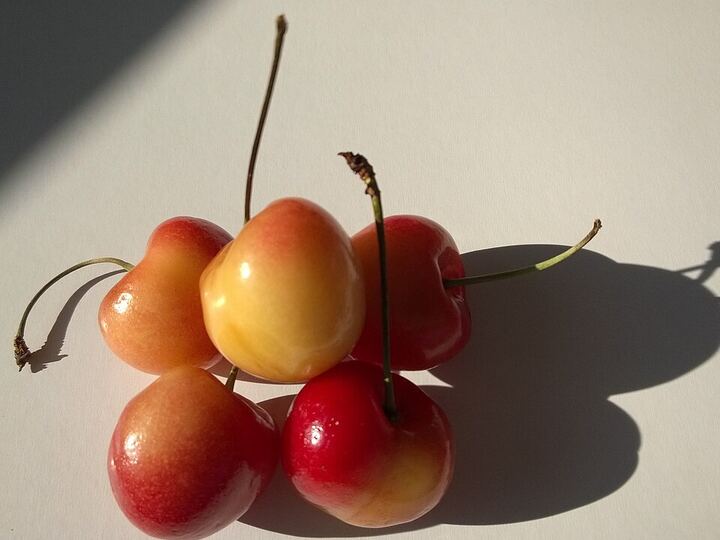
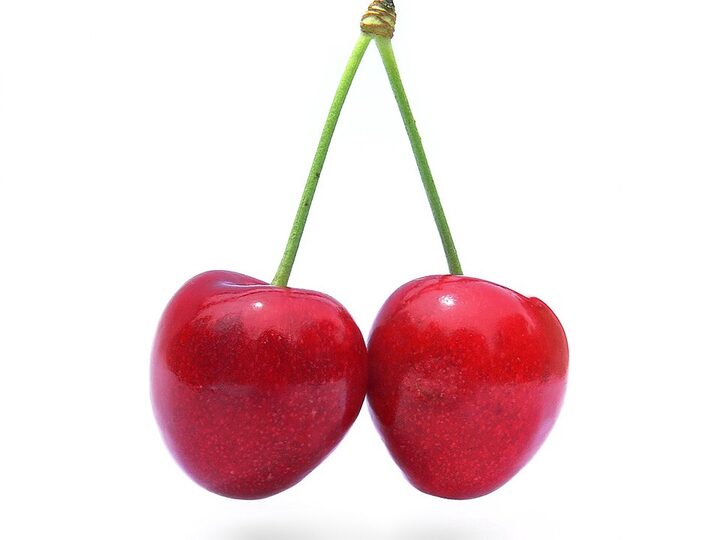
Good partners from our list
Growing tips
Watch for: Cherry leaf spot, brown rot and bacterial canker
- Full sun and very good drainage. Cherries hate wet feet more than most fruit trees.
- Birds love cherries. Plan on netting the tree as the fruit starts to color.
- Water during dry spells, but steadily: a heavy soaking right before harvest can split ripe sweet cherries.
- Prune lightly in late winter or right after harvest.
Spray schedule: Cherry Spray Schedule for New Jersey Home Orchards (Rutgers Cooperative Extension, fact sheet FS115)
New to planting fruit trees? Read our step-by-step planting guide: square hole, graft above the soil, native soil, and no fruit for the first two years.
Photos show the variety, not the exact plant you’ll get. Reservations are for the 2027 season, picked up at our farm in Pittsgrove, NJ, typically in March, and aren’t guaranteed until we confirm them. Questions? Ask us or call or text (856) 345‑4538.