Grapes · 2027 season
Catawba Grape Vine
Vitis labrusca
Self-fertileOld American red grape, sweet and spicy. Late to ripen; for juice, jelly and wine.
- #2 container
- Trimmed
Pick up in Pittsgrove, NJ, typically in March. Pay cash, check, Venmo or PayPal at pickup.
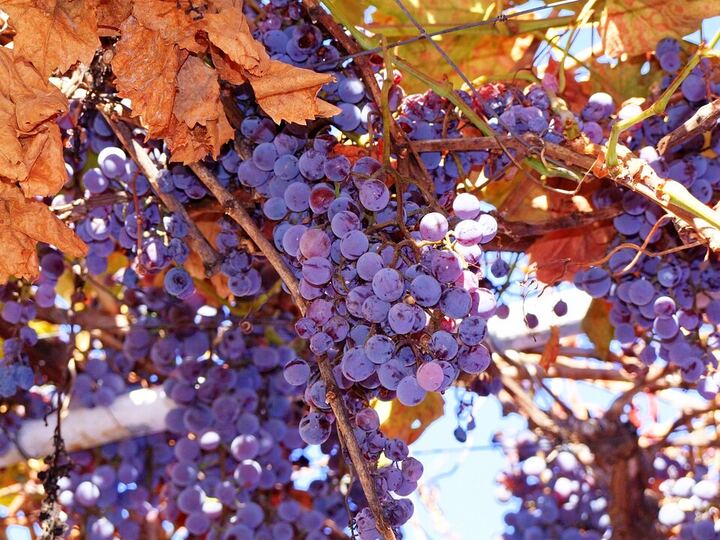
Catawba is one of the oldest American grapes, with coppery red berries and a sweet, spicy flavor.
It ripens late, after Concord, and it's good for juice, jelly and fresh eating. It's long been used for white, rosé and sparkling wines.
Give it full sun and a spot with good air flow; our long, warm South Jersey season suits it well.
Catawba was found growing along the Catawba River in North Carolina and introduced in the 1820s. It was the grape behind America's first famous wines, made in Ohio in the 1800s.
How it tastes
Sweet and musky with a spicy, "foxy" American-grape flavor.
At a glance
- You get
- #2 container, Trimmed
- Hardiness zones
- USDA 5–8 (Salem County is 7)
- Blooms
- Mid season
- Ripens
- Late September to early October (late)
- Starts bearing
- Usually the third year after planting
- Mature size
- Vine; trains along a trellis or arbor
- Pollination
- Self-fertile
- Botanical name
- Vitis labrusca
- Price
- $18 each, paid at pickup
- Pickup
- Pittsgrove, NJ, typically in March
The fruit
- Looks
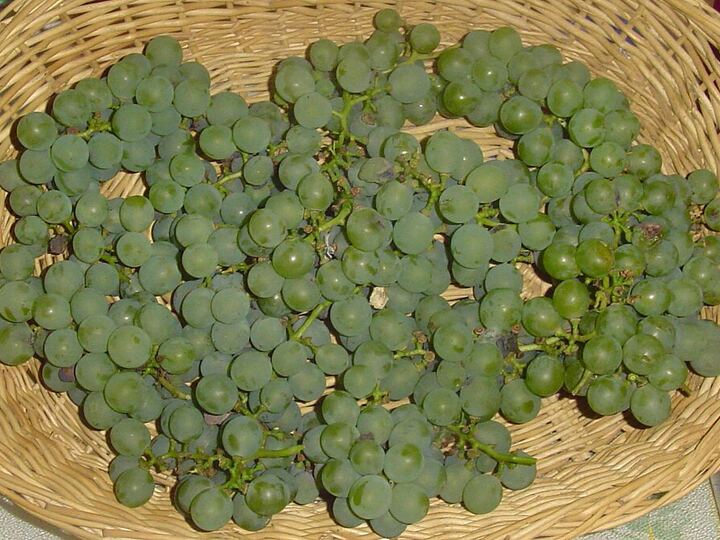
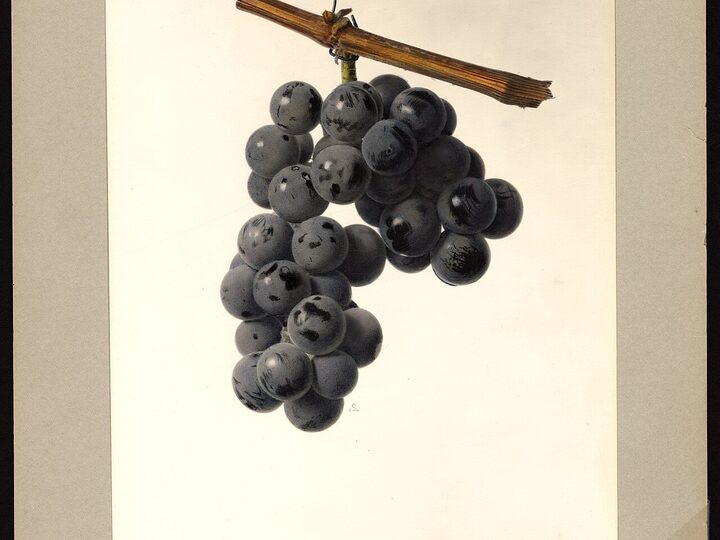
- Medium, coppery red to purplish-red slip-skin berries with seeds
- Flavor
- Sweet, spicy and musky
- Best for
- Juice, Jelly, White and rosé wine, Fresh
- Keeps
- About a week or two in the fridge
Pollination
Self-fertile. One vine will fruit on its own.
Growing tips
Watch for: Susceptible to downy and powdery mildew and black rot; needs a long, warm season to ripen fully
- Full sun and good air flow. Grapes need a sturdy trellis, arbor or fence.
- Prune hard every winter. Grapes fruit on new shoots, and most of last year's growth gets cut off.
- Black rot is the main disease here. Good air flow and a basic spray schedule keep it in check.
- Expect the first real crop in the third year.
Spray schedule: Grape Growing in the Home Garden: Pest Control (Rutgers Cooperative Extension, fact sheet FS100)
New to planting fruit trees? Read our step-by-step planting guide: square hole, graft above the soil, native soil, and no fruit for the first two years.
Photos show the variety, not the exact plant you’ll get. Reservations are for the 2027 season, picked up at our farm in Pittsgrove, NJ, typically in March, and aren’t guaranteed until we confirm them. Questions? Ask us or call or text (856) 345‑4538.